


Author name: Tarun Singla

Tarun Singla writes about Digital Transformation in HR, exploring how Artificial Intelligence, automation, and emerging HR technologies are reshaping recruitment and talent management. With 10+ years of experience in IT recruitment, staffing, and talent acquisition, he brings practical industry insights into AI-powered recruitment, hiring automation, Applicant Tracking Systems (ATS), and the future of work. Through his work with RARR Technologies and atsMantra, he shares perspectives on how organizations can embrace technology to build smarter, faster, and more efficient hiring processes.

AI HRTech
Hidden costs of managing manufacturing operations on spreadsheets
ERP Implementation

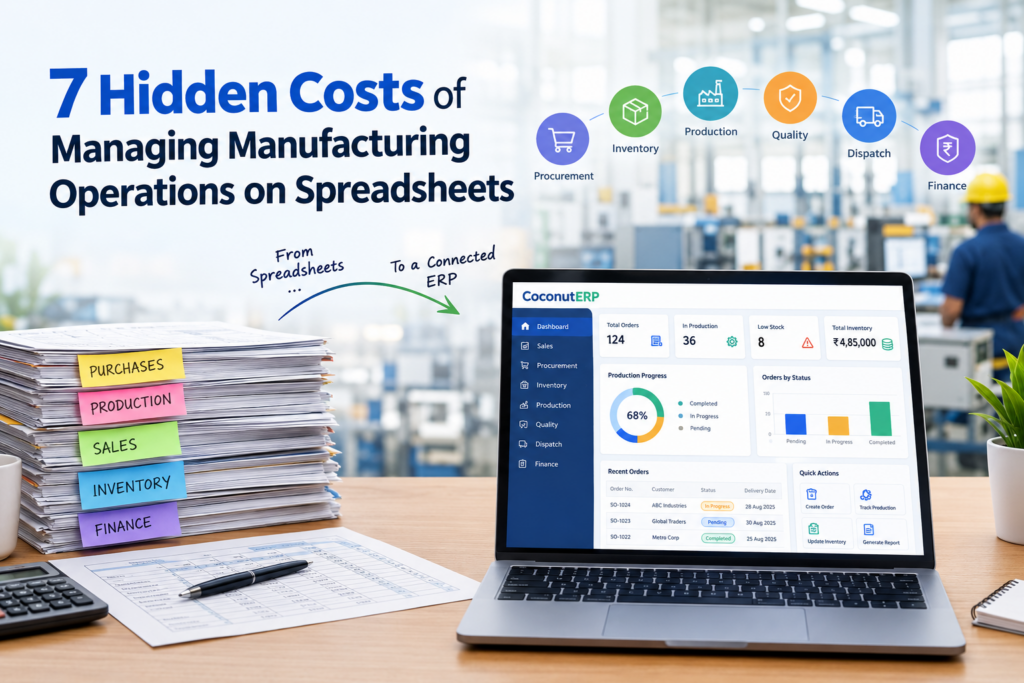
7 Hidden Costs of Managing Manufacturing Operations on Spreadsheets

For many small and mid-sized manufacturers, spreadsheets are an easy place to start. They are familiar, flexible, and inexpensive. Purchase teams maintain one sheet, production another, sales keeps track of orders, and finance manages its own records. For a while, this approach works. But as the business grows, so does the complexity. More customers, products, suppliers, employees, inventory, and production orders mean more data to manage. Soon, teams can spend more time updating and checking spreadsheets than actually using the information to improve the business. The real cost of spreadsheets isn’t the software itself. It is the time, errors, delays, and missed opportunities that can sit behind them. Here are seven hidden costs manufacturers should consider. 1. The Cost of Manual Data Entry Manufacturing involves a continuous flow of information — from purchase orders and sales orders to inventory, production, quality, and dispatch. When these activities are managed through separate spreadsheets, employees often have to enter the same information multiple times. For example, a sales order may need to be updated in: Production trackers Inventory sheets Dispatch files Finance records Delivery schedules Every additional entry creates another opportunity for human error. A small mistake in quantity, product code, or delivery date can affect multiple departments and take considerable time to identify and correct. The hidden cost? Employees spend valuable time maintaining data instead of acting on it. 2. Inventory Errors Can Become Expensive Accurate inventory information is critical for manufacturing. However, when stock is tracked manually, the spreadsheet may not always reflect what is actually available. Materials may have been consumed but not updated. Newly received stock may be missing from the sheet. Materials may already be reserved for another production order. This creates a gap between: What the spreadsheet says is available and what is actually available. The consequences can include: Excess inventory Unexpected material shortages Unnecessary purchases Production stoppages Delayed customer orders Higher carrying costs Even a small inventory discrepancy can create a much larger operational problem. 3. Production Delays Become Difficult to Track Production depends on several moving parts: Customer orders + raw materials + machine capacity + manpower + production schedules + delivery commitments When this information is spread across different spreadsheets, getting a complete picture becomes difficult. A production manager may know that an order is pending but may not immediately know: Is the required material available? Has the material already been allocated? Is the required machine available? Is machine capacity already committed? Is manpower available? Is the order still on schedule? Without connected information, teams often end up spending time calling, messaging, checking files, and reconciling information. The result can be avoidable production delays and missed delivery commitments. 4. Poor Cost Visibility Can Affect Margins Understanding the actual cost of manufacturing a product is essential for making the right pricing and business decisions. Production costs can include: Raw materials Labour Machine usage Electricity Wastage Subcontracting Transportation Overheads When these figures are maintained separately, calculating the true cost of production becomes difficult. A product may appear profitable when you look only at its raw material cost. But once labour, machine usage, wastage, subcontracting, transportation, and overheads are included, the actual margin may look very different. The hidden problem? You may be making pricing decisions without having complete cost visibility. 5. Employee Productivity Gets Consumed by Administration One of the most overlooked costs of spreadsheets is employee time. Teams may spend hours every week: Updating spreadsheets Copying information Checking formulas Reconciling different versions Preparing reports Searching for missing data Following up with other departments Correcting duplicate or incorrect entries This administrative effort does not directly increase production or generate revenue. So the better question isn’t simply: “How much do our spreadsheets cost?” The better question is: “How much are we paying our employees to maintain them?” When experienced employees spend a significant part of their day managing information rather than managing operations, the hidden productivity cost can become substantial. 6. Management Decisions Become Slower Manufacturing leaders need timely answers. For example: What is currently in production? Which materials are running low? Which orders are delayed? What is the current inventory value? Which orders are ready for dispatch? Which products are generating better margins? What is the current production capacity? If answering these questions requires collecting information from multiple spreadsheets and different departments, decision-making becomes slower. By the time a report is prepared, the underlying situation may already have changed. In manufacturing, delayed information can lead to delayed decisions. And delayed decisions can directly affect cost, productivity, customer satisfaction, and profitability. 7. Spreadsheets Become a Risk as the Business Scales Spreadsheets can work well for a small operation. But as the business grows, so does the number of: Files + users + transactions + processes + dependencies Different departments may maintain different versions of the same information. Files can be accidentally overwritten. Important data can be missed. Formulas can be changed. Information can become outdated. More importantly, operational knowledge can become dependent on a few employees who know exactly how the spreadsheets work. What happens when that employee is unavailable? At this stage, spreadsheets can become more than an inconvenience. They can become an operational risk. Moving Beyond Spreadsheets Spreadsheets aren’t inherently bad. They remain useful for: Calculations Analysis Temporary tracking Quick reports Ad-hoc data analysis The problem starts when spreadsheets become the primary system for managing the entire manufacturing operation. As a manufacturing business grows, it becomes increasingly important to connect processes rather than manage each process separately. A connected ERP can bring areas such as: Sales → Procurement → Inventory → Production → Quality → Dispatch → Finance together in one system. This can reduce repetitive data entry, improve operational visibility, and give management access to more reliable information for decision-making. The Real Cost of Spreadsheets The hidden cost of spreadsheets can appear in many forms: Lost Productivity Employees spend time entering, checking, and reconciling information. Inventory Errors Incorrect or outdated stock information can result in shortages, excess inventory, or unnecessary purchases. Production Delays
Corporate Culture, Human Resources

Cultural Fit for Gen Z: How to Attract and Retain the New Workforce

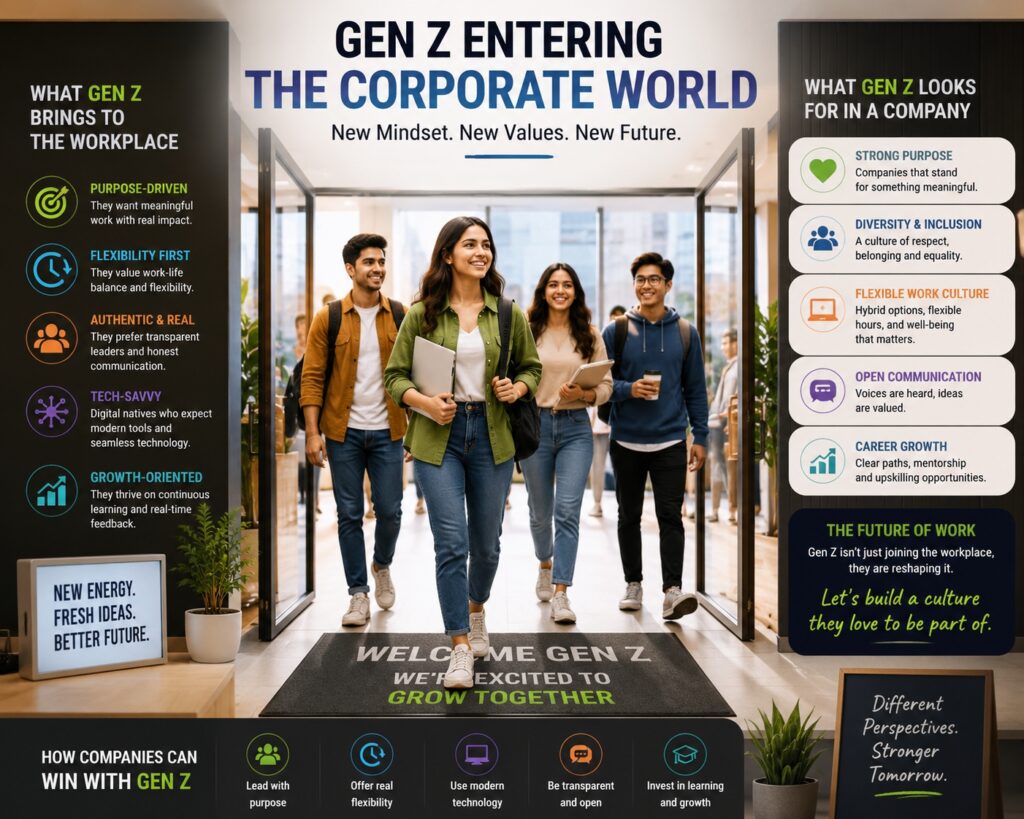
Why Cultural Fit for GenZ Matters Gen Z is no longer the future workforce—they are actively shaping today’s workplace. Born between 1997 and 2012, this generation brings new expectations, strong values, and a fresh perspective on work culture. For HR professionals, recruiters, staffing agencies, and founders, understanding cultural fit for Gen Z is essential to attract, engage, and retain top talent. Unlike previous generations, Gen Z prioritizes: Purpose over paycheck Flexibility over rigid schedules Authenticity over hierarchy This shift is redefining how companies hire, manage, and build workplace culture. What is Cultural Fit for Gen Z? Traditional Cultural Fit (Old Approach) Previously, cultural fit meant hiring candidates who: Shared similar backgrounds Had matching personalities Could easily “blend in” While this created comfort, it often resulted in: Limited diversity Reduced innovation Lack of fresh perspectives Modern Cultural Fit (Gen Z Approach) Today, cultural fit has evolved. For Gen Z, it focuses on: Alignment with values, not personalities Contributing to culture, not just adapting Encouraging diversity and inclusion It’s no longer about “fitting in”—it’s about adding value. Key Traits of Gen Z Employees Understanding Gen Z at work is the foundation of building the right culture. Digital NativesThey expect fast, seamless, and tech-enabled systems. Purpose-DrivenThey want meaningful work that creates real impact. Authenticity-FocusedThey prefer transparent leadership and honest communication. Independent Yet CollaborativeThey value autonomy but also thrive in team environments. Growth-OrientedThey seek continuous learning and real-time feedback. What Cultural Fit Means for Gen Z in the Workplace 1. Flexibility and Work-Life Balance Gen Z strongly prefers: Remote or hybrid work models Flexible working hours Mental health awareness Organizations offering flexibility often attract more Gen Z talent than those offering higher salaries. 2. Purpose-Driven Work Culture Gen Z evaluates employers based on: Mission and vision Social and business impact Companies with a clear purpose and strong values stand out in hiring. 3. Diversity and Inclusion For Gen Z, diversity is not optional—it’s expected. They look for: Inclusive hiring practices Equal growth opportunities Representation in leadership A lack of diversity can significantly impact your employer brand. 4. Technology-Driven Workplace Outdated systems are a major turn-off. Gen Z expects: Modern tools and platforms Automated workflows Seamless digital experiences 5. Continuous Feedback and Growth Traditional annual reviews no longer work. Gen Z prefers: Real-time feedback Regular performance check-ins Clear career growth paths Why Traditional Hiring Fails with Gen Z Many organizations still follow outdated hiring practices, leading to: Hiring for similarity instead of value Rigid hierarchical structures Lack of flexibility Poor communication Ignoring employee feedback The result is high attrition, low engagement, and weak employer branding. How to Build a Culture That Attracts Gen Z To align with Gen Z expectations, companies must evolve. Define and Communicate Your Purpose Clearly highlight your mission, vision, and impact. Offer Real Flexibility Adopt hybrid models, flexible hours, and respect work-life boundaries. Invest in Modern Technology Upgrade hiring, collaboration, and performance systems. Promote Transparency Encourage open communication across all levels. Focus on Learning and Growth Provide: Upskilling programs Mentorship opportunities Clear career progression How Recruiters Can Assess Cultural Fit for Gen Z Recruiters and staffing agencies play a critical role in hiring Gen Z talent. Ask the Right Questions What type of work environment helps you perform best? What motivates you beyond salary? How important is flexibility in your role? Evaluate Beyond Skills Focus on: Value alignment Adaptability Communication style Use Modern Hiring Tools Advanced ATS platforms can help match candidates based on both skills and cultural preferences. Common Mistakes to Avoid When hiring Gen Z, avoid: Assuming Gen Z is lazy or entitled Offering superficial perks instead of meaningful work Ignoring employee feedback Using outdated hiring processes Lack of transparency Gen Z values authenticity over surface-level benefits. Conclusion: Building a Future-Ready Workplace Understanding cultural fit for Gen Z is not about changing everything—it’s about evolving with the workforce. Gen Z is driving organizations toward: Inclusive work cultures Flexible work environments Purpose-driven missions Technology-enabled processes Companies that adapt will not only attract Gen Z talent but also build stronger, future-ready organizations. Because today, culture isn’t just about fitting in—it’s about growing together. Tarun Singla July 23, 2026 Corporate Culture, Human Resources Tarun SinglaTarun Singla writes about Digital Transformation in HR, exploring how Artificial Intelligence, automation, and emerging HR technologies are reshaping recruitment and talent management. With 10+ years of experience in IT recruitment, staffing, and talent acquisition, he brings practical industry insights into AI-powered recruitment, hiring automation, Applicant Tracking Systems (ATS), and the future of work. Through his work with RARR Technologies and atsMantra, he shares perspectives on how organizations can embrace technology to build smarter, faster, and more efficient hiring processes. www.rarrtech.com

HR Recruitment

What is an Applicant Tracking System (ATS)?

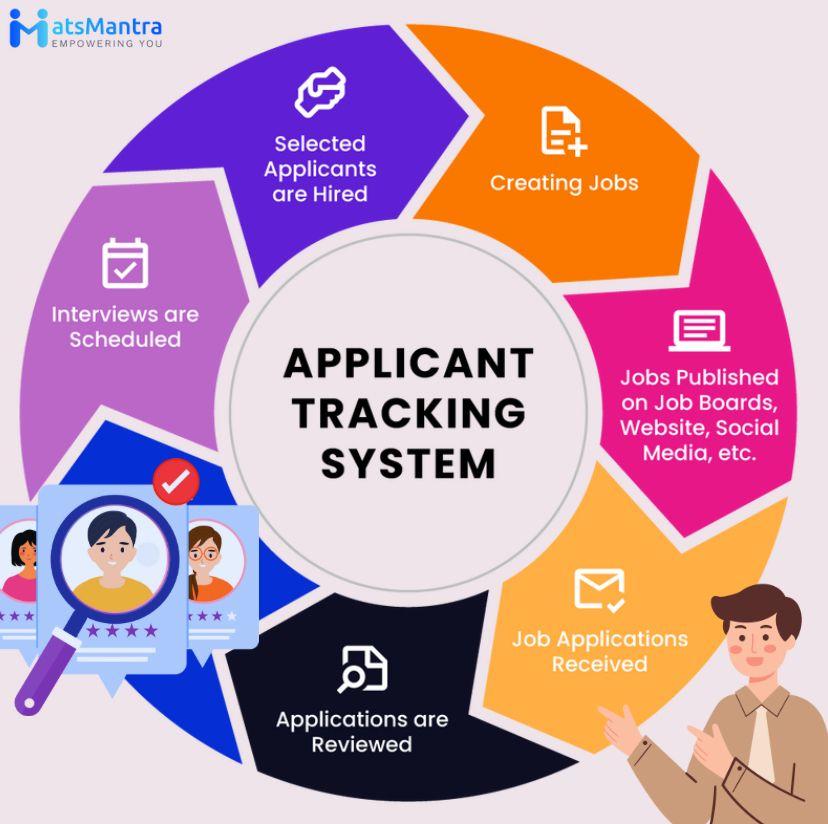
Here’s Why You Should Use One A lot of work and planning goes into your recruitment process, from sourcing candidates to reviewing resumes and conducting interviews. Keeping track of each step and multiple candidates can be overwhelming, especially when you are hiring at scale. It takes an average of five candidates to make one hire. If your company has 100 jobs to fill, that is five candidates per job and 500 applications to be successful. How can you keep up? This is where your ATS comes in.   What is an ATS? And how does an ATS work? We break down the role of ATS in recruiting, why you should consider using one and how to determine which ATS is right for you.   What is an ATS?   An applicant tracking system, or ATS, is a tool that enables your company to track and measure each step of its recruitment process. An ATS collects and stores information about your applicants, such as where they were sourced and which stage of the application process they are at. Modern applicant tracking systems are more than a glorified spreadsheet. Today’s ATS includes end-to-end hiring solutions, like scheduling tools, candidate relationship management (CRM) software, and seamless integration with your human resource information system. An ATS transforms your recruitment process into a streamlined, efficient, and technologically advanced operation.  How do applicant tracking systems work?  Candidates are looking for application processes that are easy and user-friendly. The best applicant tracking systems allow people to easily apply for a position via any device without needing to log in.  This means that employers benefit from securing a larger pool of applicants, who can then be tagged a labelled accordingly, based on the info in their resumes.  More specifically, what are the benefits of an applicant tracking system?  Streamlining your hiring process becomes seamless with the implementation of an Applicant Tracking System (ATS). Imagine navigating through the pain points of your hiring workflow without a robust platform in place. In the absence of an efficient system, you might encounter inconsistencies in candidate tracking and misalignments among your hiring team, particularly if you rely on spreadsheets and emails. Building a robust talent pool and identifying top-notch candidates may prove challenging. The entire hiring journey, from job postings to interview scheduling and offer issuance, could be needlessly prolonged and arduous.  However, life post-ATS implementation presents a markedly improved scenario.  A reliable ATS:  Building a robust professional network is crucial for freelance recruiters. It is essential to establish connections with both clients and potential candidates. Actively participate in industry events, join professional associations, and leverage social media platforms to expand your network. Cultivate relationships by maintaining regular contact and offering assistance or insights whenever possible. On the other side, a good ATS:  Tarun SinglaTarun Singla writes about Digital Transformation in HR, exploring how Artificial Intelligence, automation, and emerging HR technologies are reshaping recruitment and talent management. With 10+ years of experience in IT recruitment, staffing, and talent acquisition, he brings practical industry insights into AI-powered recruitment, hiring automation, Applicant Tracking Systems (ATS), and the future of work. Through his work with RARR Technologies and atsMantra, he shares perspectives on how organizations can embrace technology to build smarter, faster, and more efficient hiring processes. www.rarrtech.com

Scroll to Top