At RARR Technologies, we help organizations build a structured approach to DPDP compliance from assessing current data practices and developing policies to implementing consent, security, rights-management, and monitoring processes.
Who Can Benefit From DPDP Compliance Services?
Our DPDP compliance services can support organizations that collect, process, store, or share personal data across different industries, including:
Healthcare & Hospitals
DPDP compliance for patient records, medical information, appointments, insurance details, employee data, and healthcare applications
Digital Personal Data Protection Act, 2023 – Government of India
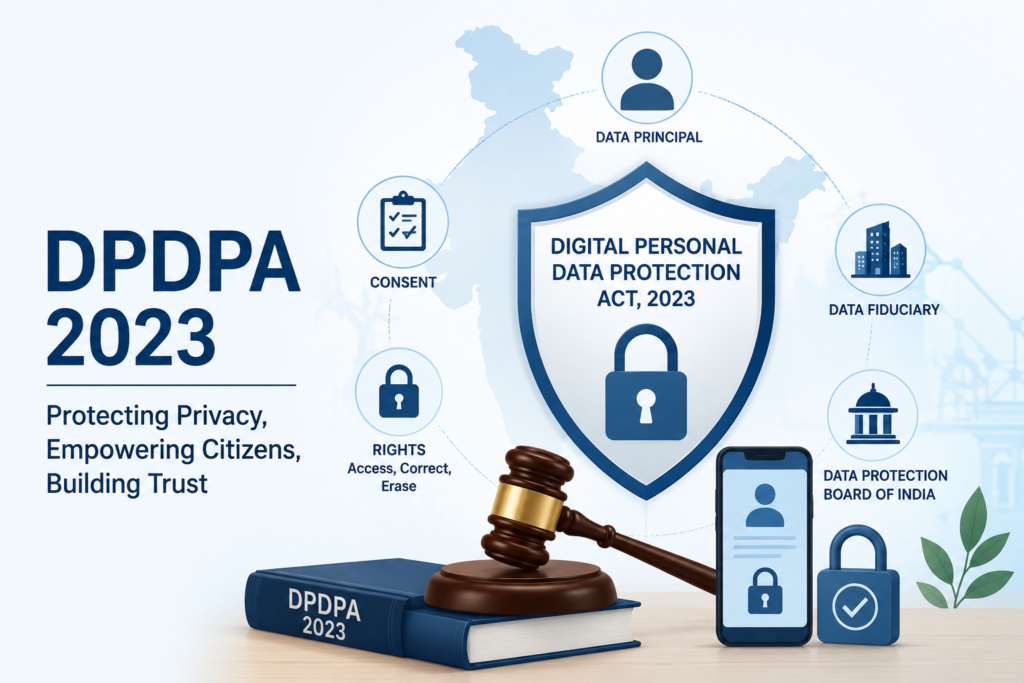
The Digital Personal Data Protection Act, 2023 (DPDP Act) is India’s legal framework for the protection of digital personal data. The Act was enacted on 11 August 2023 and establishes obligations for organizations processing personal data along with rights and duties of individuals.
The Government of India subsequently notified the Digital Personal Data Protection Rules, 2025 on 14 November 2025 to provide the operational framework for implementing the Act. The Act and Rules together establish requirements around consent, transparency, security safeguards, data breaches, individual rights, children’s data and organizational accountability.
What Does the DPDP Act Mean for Businesses?
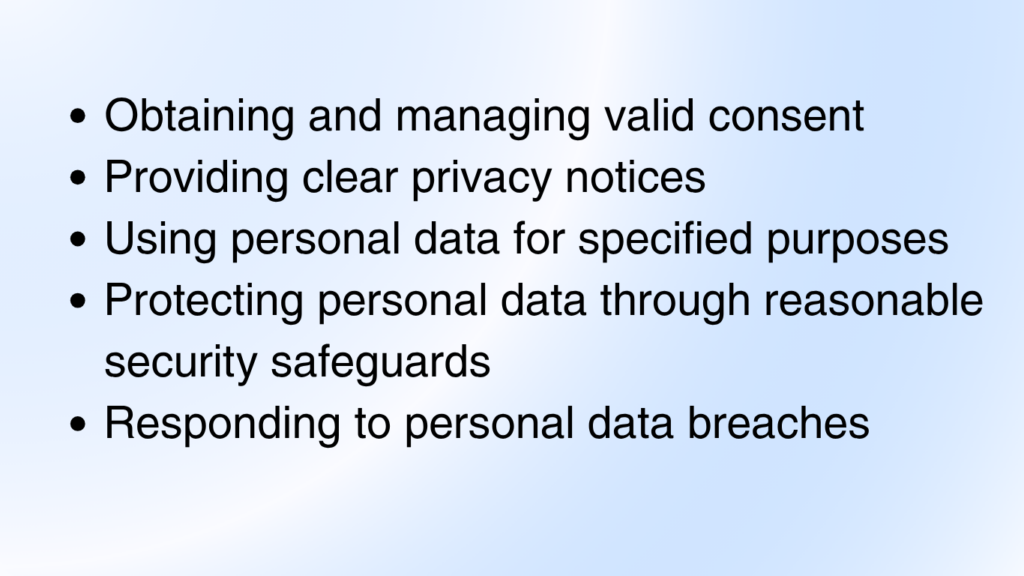
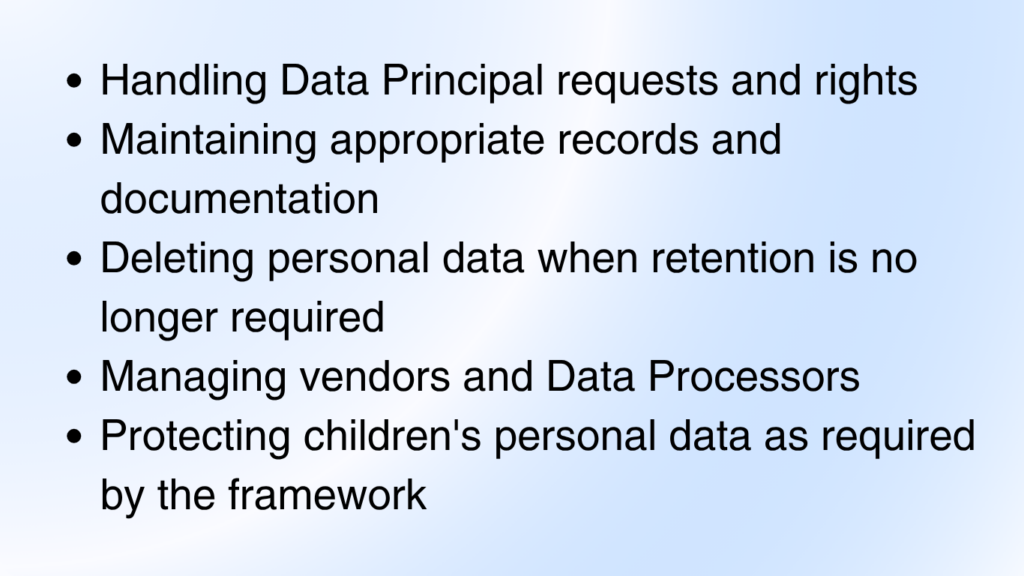
Organizations that collect, store, use or otherwise process digital personal data may need to establish appropriate processes and safeguards for:
DPDP Act 2023 Penalties & Financial Exposure
The DPDP Act provides for monetary penalties for specified breaches. The maximum penalty depends on the nature of the violation and is determined under the Act’s enforcement framework.
Compliance Violation
Maximum Penalty
Failure to take reasonable security safeguards to prevent a personal data breach
Up to ₹250 Crore
Failure to notify the Board or affected Data Principal of a personal data breach as required
Up to ₹200 Crore
Breach of obligations relating to children’s data
Up to ₹200 Crore
Breach of additional obligations applicable to Significant Data Fiduciaries
Up to ₹150 Crore
Breach of duties specified under Section 15
Up to ₹10,000
Other breaches of the Act or Rules
Up to ₹50 Crore
These are maximum statutory penalties specified in the Schedule to the DPDP Act, not automatic fines for every instance of non-compliance. The applicable penalty depends on the breach and the enforcement process under the Act.